
TULIX INDIGENOUS ARTS
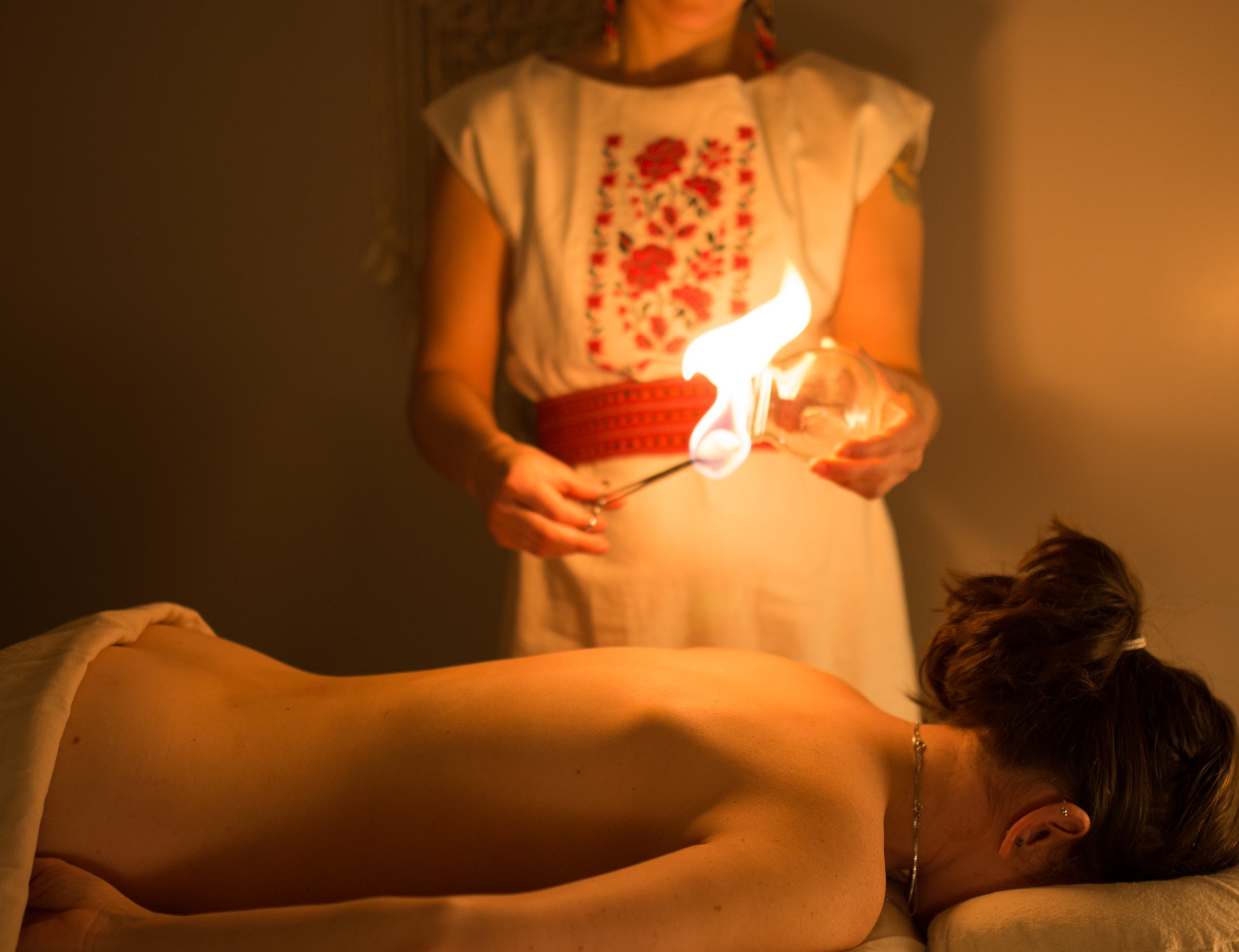
Masewal Maya abdominal Massage therapies
embark on a deeply personal journey into the heart of your own ancestral healing traditions through the Masewal Maya healing Lineage of Yucatec Maya Elder Don Elijio Panti.
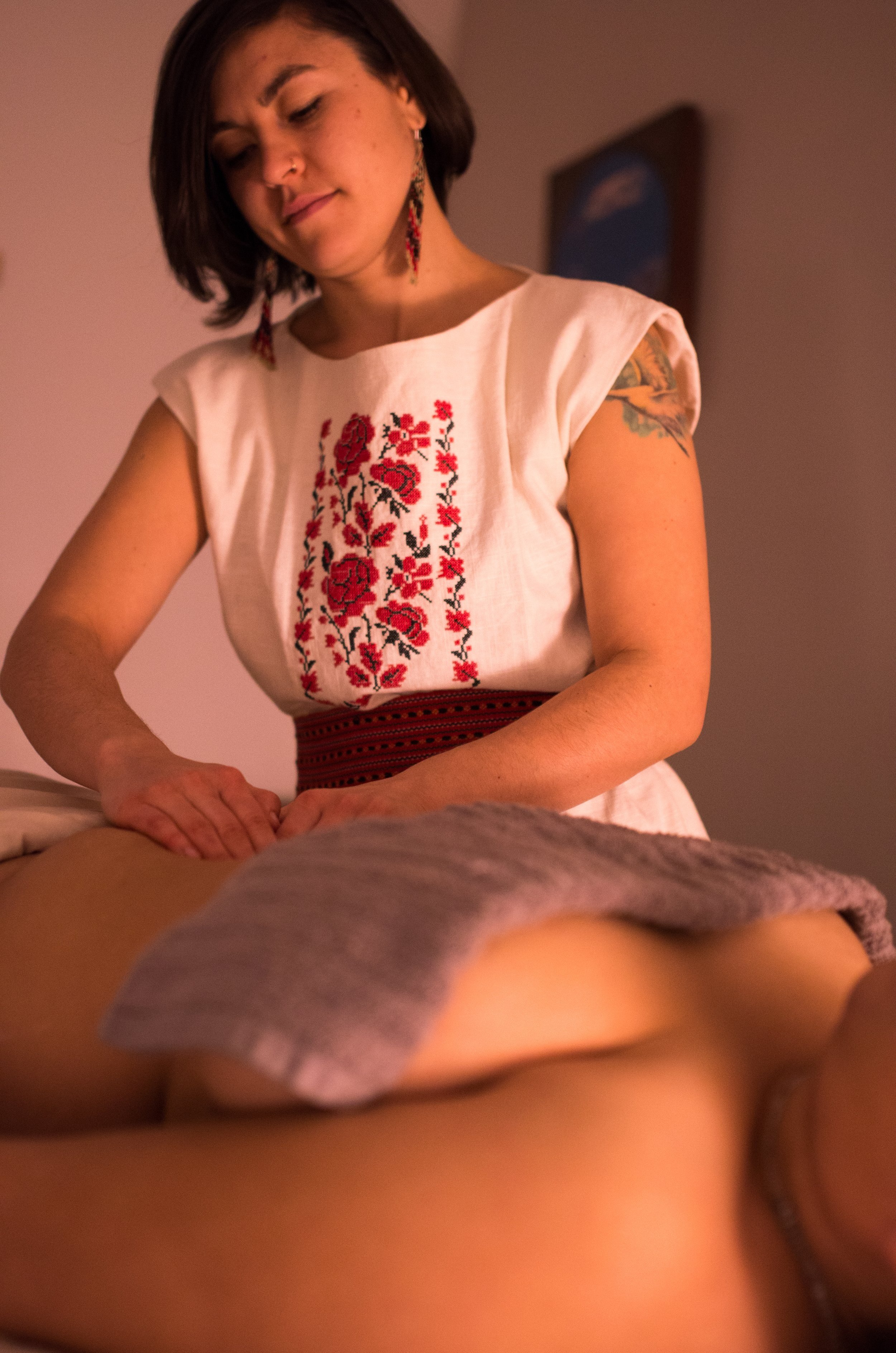

WHAT is Mayan abdominal massage?
Tul’ix Indigenous Arts is the evolution of what was formerly known as the Arvigo Institute. These teachings were passed from Yucatec Maya healer and Elder Don Elijio Panti to Dr. Rosita Arvigo, who helped bring these traditions into broader contemporary practice.
Tul’ix Therapies, previously known as The Arvigo Techniques of Maya Abdominal Therapy®, weave together abdominal bodywork, herbal knowledge, traditional remedies, spiritual healing practices, and a deep emphasis on self-care. At the heart of this work is the belief that healing wisdom belongs not only in clinical spaces, but also within our homes, communities, and relationships with our own bodies.
These practices are often sought out by people looking for support with reproductive, digestive, and pelvic health concerns, including menstrual imbalances, fertility challenges, fibroids, endometriosis, digestive discomfort, scar tissue, constipation, chronic stress, fatigue, and recovery from physical or emotional trauma.
The spiritual and embodied aspects of this work invite deeper connection with the body, nervous system regulation, ancestral healing, and a more grounded relationship with self, lineage, and the living world.

"Most people think too much. Get them to laugh and half their troubles and sickness will go away and the blessed herbs will do the rest." - Don Elijio Panti
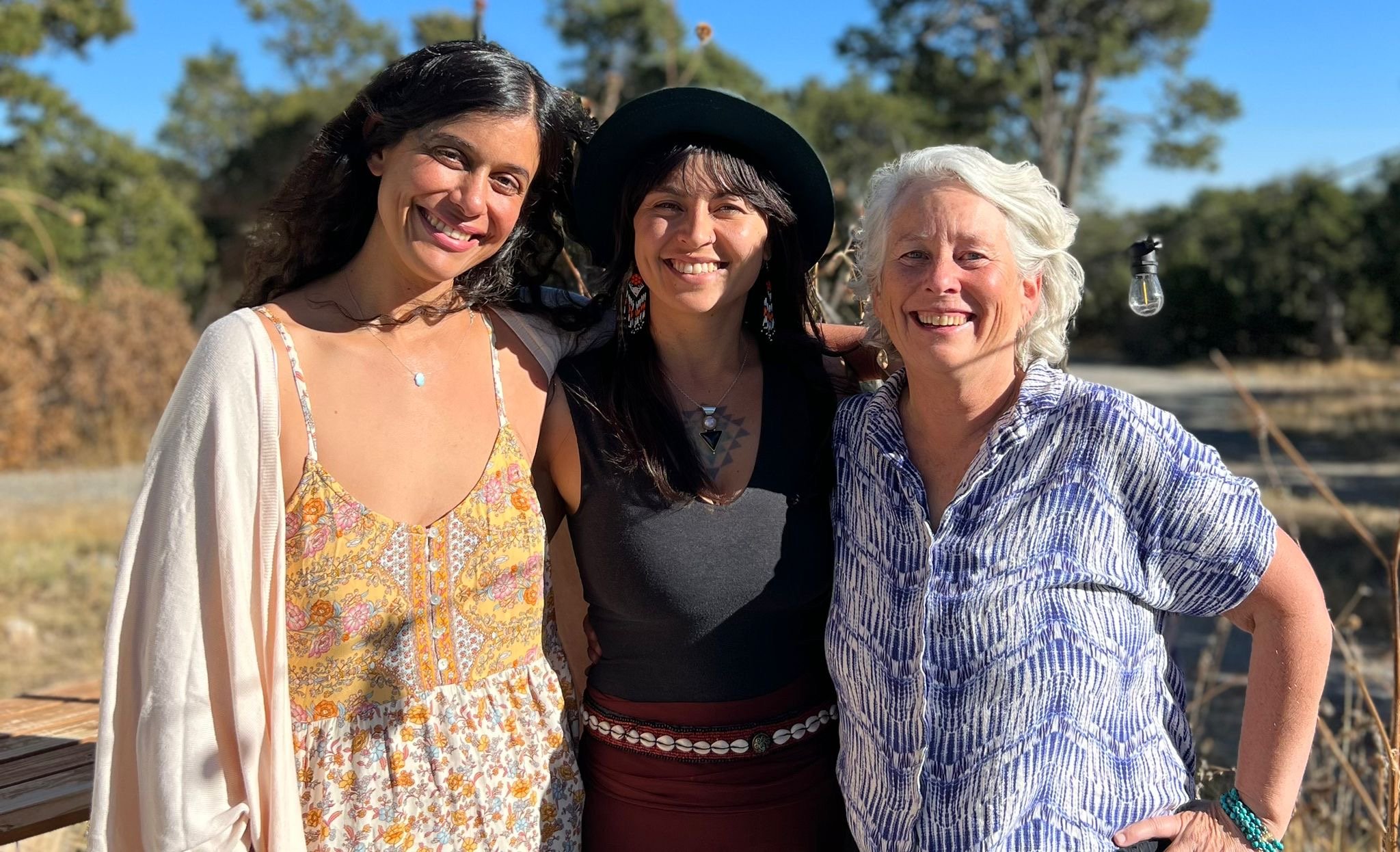
Years later, I formally began studying and practicing Maya Indigenous Healing Arts through what is now known as Tul’ix Indigenous Arts, formerly the Arvigo Institute. Over time, I came to understand the profound parallels between this lineage and many traditional healing systems throughout the world. Tul’ix became a bridge, between the healing lineages of my homeland, East Indian yogic principals and philosophy, embodiment, ancestry, & embodied spirituality.
Through this work, I have witnessed the profound relationship between the body, trauma, emotional experience, and physical well-being. Many of the people I work with arrive after years of searching for support for reproductive, digestive, or sexual health concerns without ever being invited to explore the emotional, relational, ancestral, and nervous system dimensions of their experiences.
Tul’ix therapies offer more than physical support. They invite a deeper relationship with the body, the lifegiving center (womb & prostate alike), the heart, as well as the unseen layers of epigenetic memory we carry through family, culture, and lived experience. Again and again, I have witnessed how healing becomes multidimensional when people are supported not only physically, but emotionally, spiritually, and relationally as well.
This path has deepened my reverence for ancestral wisdom traditions and the importance of restoring relationship with the body, the earth, and community care. Today, I offer monthly self-care trainings that provide CEU credits for LMTs, mentorship, and one-on-one support for those who feel called to explore and embody these teachings within their own lives and communities.
I remain deeply grateful to the teachers, elders, mentors, seen and unseen forces, and resilient healing traditions that continue to guide me on this path.
My story
I first encountered the healing wisdom of the Maya in 2012, though the call to these lands had stirred within me long before.
Years earlier, during my freshman year of college, I followed a series of synchronicities that led me to the jungles of Guatemala. There, I visited Tikal near Petén, the birthplace of Maya healer Don Elijio Panti, and was invited to participate in a traditional fire ceremony. The beauty of the ritual, the sacred relationship between prayer, earth, spirit, and community, and the depth of Maya cosmology awakened something ancient within me.
At the time, I could not have known that this experience would ignite a deeper remembering.
I was born in Ukraine during the Soviet era, and although my family immigrated to the United States when I was three, many ancestral traditions, particularly Slavic folk healing practices and earth-based spiritual traditions, had been fragmented or lost through displacement and cultural erasure. Immersing myself in Maya healing traditions felt both unfamiliar and strangely familiar at once. The threads of prayer, ritual, plant medicine, body-based healing, and reverence for the living world resonated deeply with something I had always carried within me.




TuL’ix self care Training
Learn the legacy and lineage of this potent work, the essential anatomy and physiology of the pelvic and abdominal organs, and what happens when they become unbalanced. In this training, you will learn abdominal self-massage, anatomy, physiology, pelvis steams/soaks, castor oil therapy, herbal support, plant spirit medicine, and techniques for nervous system regulation.
Participants are qualified to perform the abdominal massage on themselves and are prepared for Level 2 of the Tul’ix Indigenous Arts Practitioner Training Program which certifies the practitioner in The Arvigo Techniques of Maya Abdominal Therapy®.
This is an online training with many opportunities to get off-screen and engage in hands-on learning.
Provides 16 CEU’s for Massage Therapy.

Tul’ix Therapies & The Gender Binary
The multi-billion dollar health and wellness industry reflects and upholds norms rooted in capitalism, white-supremacy, and systemic oppression. People of color, trans, non-binary folks, and poor communities have not had the same access to health care in the medical and holistic fields. In contribution to collective work toward change I am committed to examining my biases and creating inclusive spaces. As a somatic professional and educator, I strive to use inclusive language that makes this work accessible to people of all genders, body sizes, races, sexual orientations, expressions & identities. I include what has been left out of anatomy textbooks. My classes and trainings are designed to be safe spaces for all.


"Before I found Zhenya, I was struggling with severe endometriosis, fertility issues, and IBS. My physical and emotional pain was to the point where I would try anything and everything! We saw multiple fertility doctors who said I should have come to them sooner because of my age, I had a low egg count and their suggestion was jumping right to IVF. It felt like our hope of having a family was just a business to them, and left us feeling defeated and angry.
I reached out to Zhenya and at my first appointment, she told me to give her three months. I learned so many new techniques about helping with circulation in the body and the benefits of self-massage, & steaming. After my three months was up, I found out I was pregnant! Now, I tell everyone about the woman who helped my body prepare to have a baby.“ -Shelby
Accessibility & Equity
My work is rooted in the anti-patriarchal, anti-capitalist, and anti-racist practices of reciprocity and collective liberation. In acknowledging systemic oppression and the unequal distribution of wealth and privilege based on race, gender, class, and ability, I will always keep offerings financially accessible with affordable pricing and payment plans. Investing in our sexual health, and emotional and spiritual wellbeing in late-stage capitalism is an act of resistance. We have been taught to value productivity at the expense of our minds and bodies. These important practices have been suppressed, undervalued, and even criminalized. Those of us who work in the field of somatic sexology continue to face discrimination and censorship. It is tender to hold these truths, while also honoring the tremendous value, personal investment, and wholehearted dedication it takes to continue making this important work available to all.
Tul’ix Indigenous Arts donated 10% of all profits to Indigenous organizations such as Taos Pueblo, Don Elijio’s direct descendants, who protect The Elijio Panti National Park, and other groups.